
Garage doors are designed to withstand years of daily use, but their lifespan can vary significantly depending on the door’s material, maintenance history, operating frequency, and exposure to environmental conditions. Over time, repeated movement, mechanical wear, and deteriorating components can affect the door’s performance, reliability, and safety. Understanding the factors that influence garage door longevity helps property owners recognize signs of aging, plan for necessary maintenance, and determine when garage door repair may no longer be sufficient to maintain reliable operation.
We spoke with the experts at Oregon Garage Doors and learned how long different garage door systems can remain in service, which factors shorten or extend their lifespan, and how homeowners can recognize when an aging door is approaching replacement.
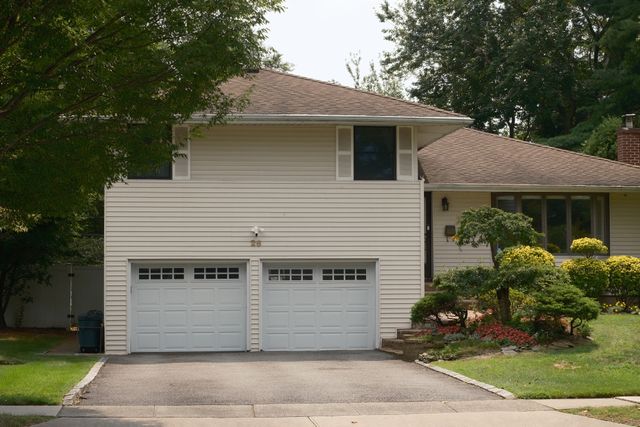
How Long Does a Garage Door Last?
The expected lifespan of a garage door depends on the materials used and the condition of the components responsible for lifting and controlling it. Understanding the typical service life of each part helps property owners create a realistic garage door replacement timeline:
- Steel Garage Doors (15 – 30 Years) – Steel doors generally provide long-term durability and resist many common forms of impact and weather damage. Proper cleaning, maintenance, and prompt treatment of rust or damaged sections can help extend their usable life.
- Wood Garage Doors (15 – 25 Years) – Wooden garage doors can provide excellent appearance and durability when they are regularly sealed, painted, and protected from moisture. Neglecting surface maintenance can accelerate warping, cracking, and rot.
- Aluminum Garage Doors (15 – 25 Years) – Aluminum is naturally resistant to rust and can perform well in humid environments, although lighter construction can make some doors more vulnerable to dents and physical damage.
- Garage Door Springs (7 – 12 Years) – Springs typically wear out sooner than the door itself because they handle the repeated force required to lift and lower the panels. High daily usage can shorten their service life.
- Garage Door Openers (10 – 15 Years) – Automatic openers generally have a shorter lifespan than the door panels. Motor wear, outdated electronics, and repeated mechanical stress can eventually make opener replacement more practical.
- Garage Door Rollers and Hinges (5 – 15 Years) – These moving components experience frequent friction during every cycle. Regular lubrication and replacement when worn can help protect the tracks and reduce operating noise.
- Garage Door Cables and Other Lifting Hardware – Cables, drums, bearings, and related hardware may require replacement before the main door structure reaches the end of its useful life. Their condition should be monitored during routine garage door maintenance.
What Affects Garage Door Lifespan?
A garage door’s service life is influenced by much more than its original installation date. Daily operating conditions, environmental exposure, and maintenance habits can significantly affect how quickly individual components deteriorate and how long the complete system remains reliable.
- Frequency of Use – A garage door that opens and closes many times each day places more cycles on springs, rollers, hinges, cables, and the opener, increasing normal mechanical wear.
- Weather and Climate Exposure – Rain, humidity, temperature changes, direct sunlight, and coastal air can contribute to rust, corrosion, fading, moisture damage, and deterioration of protective finishes.
- Quality of Installation and Materials – Properly installed doors with appropriately sized springs, durable hardware, and well-fitted tracks generally provide more dependable long-term performance than systems installed incorrectly or with unsuitable components.
- Routine Garage Door Maintenance – Lubricating moving parts, inspecting hardware, keeping tracks clear, and addressing minor defects promptly can reduce unnecessary strain and help extend the overall life of the garage door system.
When Should You Plan Garage Door Replacement?
Planning garage door replacement should begin before the door reaches a point where major components fail simultaneously. A door that is approaching two decades of service may still operate correctly, but increasing maintenance requirements, recurring mechanical problems, deteriorating panels, and declining energy efficiency can indicate that replacement planning is becoming worthwhile.
A garage door does not necessarily need to be replaced simply because it has reached a certain age. Overall condition is equally important. A well-maintained door with solid panels, straight tracks, reliable hardware, and a functioning opener may continue serving for years beyond its expected lifespan, while a heavily damaged or poorly maintained system may require replacement much sooner.
In conclusion, most garage doors can provide many years of service when they are properly installed and maintained, but no system lasts indefinitely. By monitoring the door’s age, usage, appearance, and mechanical condition, homeowners can establish a realistic replacement timeline and address aging components before a complete failure occurs.
Written by Oregon Garage Doors, your local garage doors and gate technician in Portland Garage Door Repair, Hillsboro Garage Door Repair, Gresham Garage Door Repair, Beaverton Garage Door Repair, Tigard Garage Door Repair, Lake Oswego Garage Door Repair, Oregon City Garage Door Repair, Milwaukie Garage Door Repair, Sherwood Garage Door Repair, Canby Garage Door Repair, Cedar Hills Garage Door Repair, Scappoose Garage Door Repair and King City Garage Door Repair.